
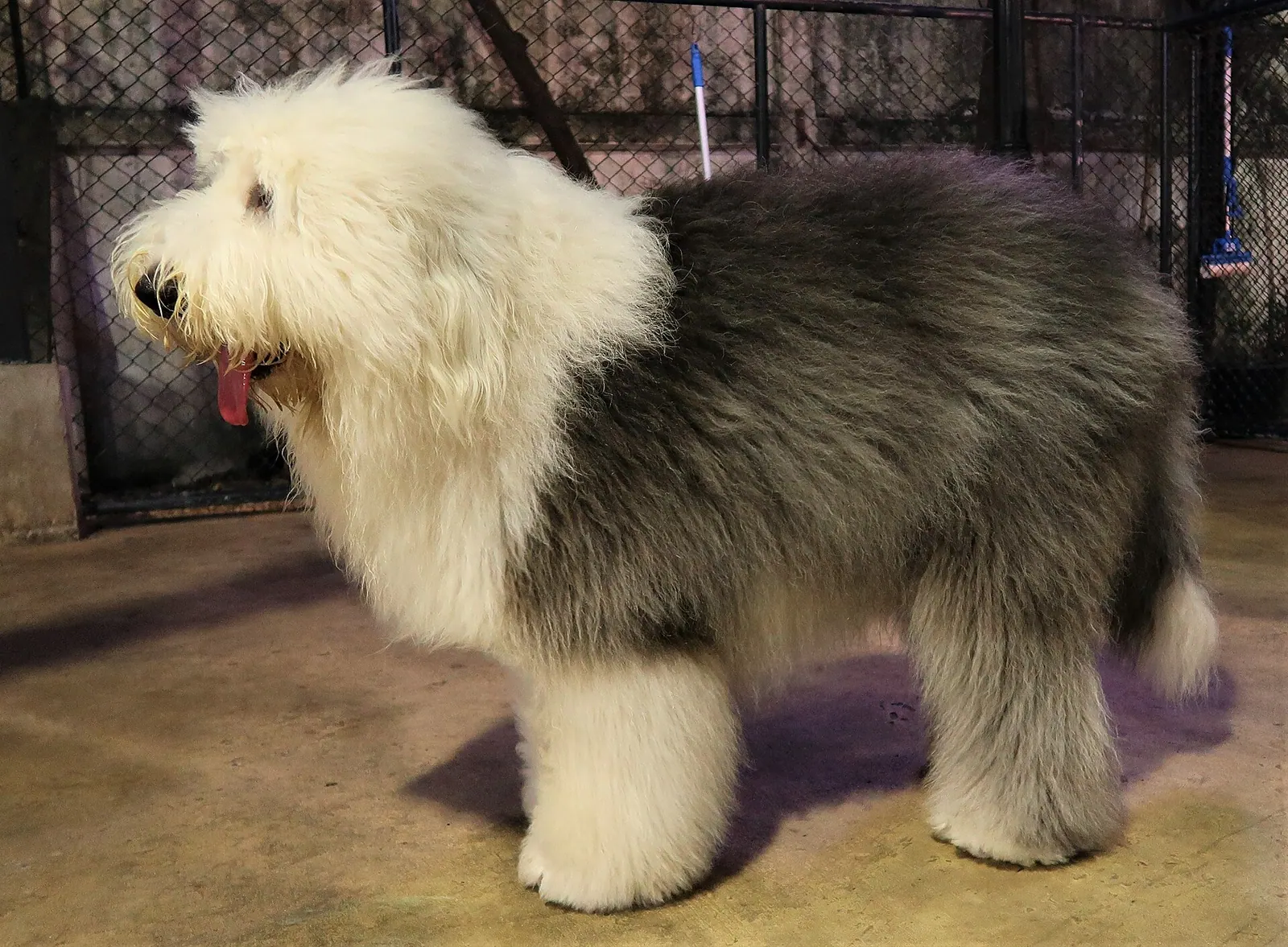
How long Old English Sheepdogs actually live
The measured median age at death is 12.1 years, from 1,210 dogs of this breed. Breed standards usually quote 10 to 12 years, which describes the standard rather than what was recorded. 5
Every cost figure on this page is calculated across 12.1 years, so lifespan is the most load-bearing number here. It was measured in a UK population; breeding lines and veterinary practice differ between countries, so treat it as the best available estimate for a US dog rather than a measurement of one.
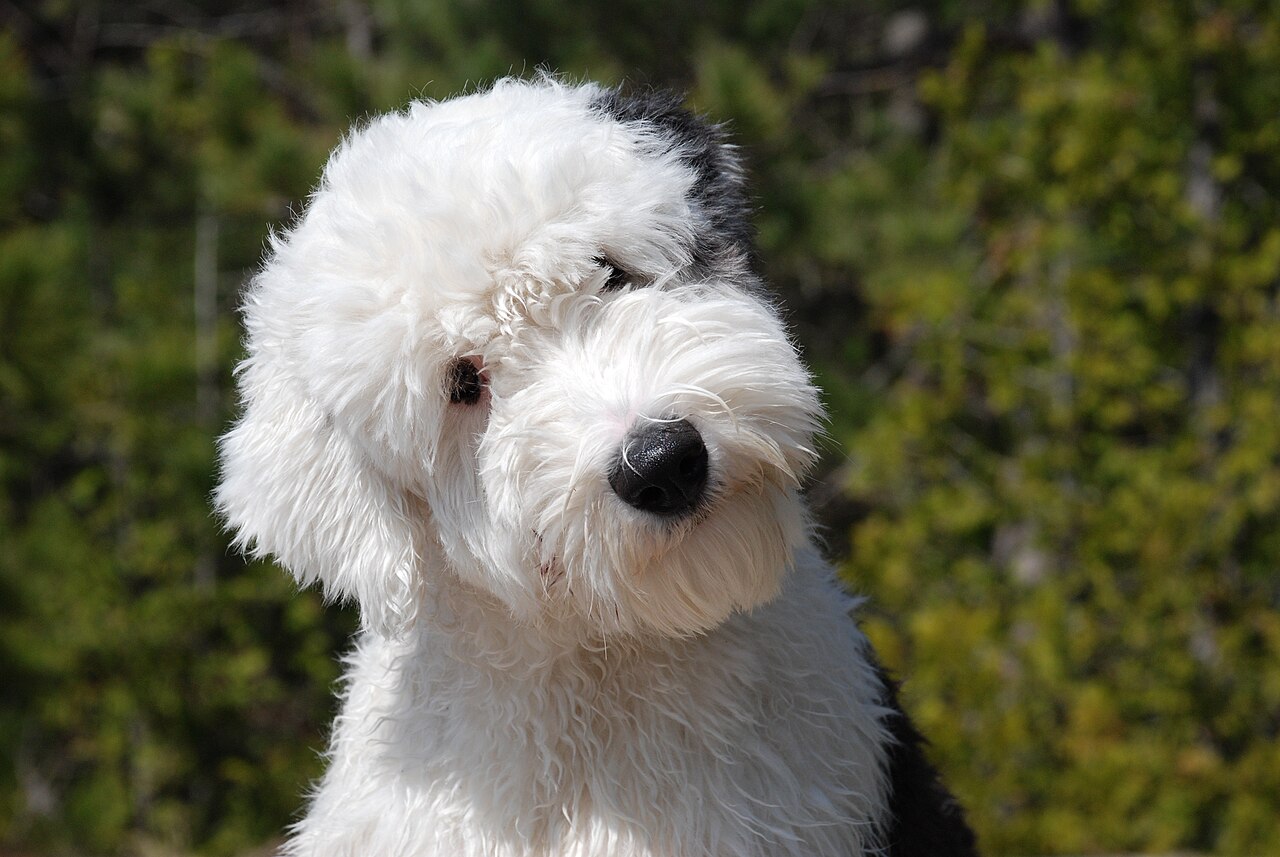
12.1 years, measured
Not a breed-standard range. This is the median age at death recorded across 1,210 Old English Sheepdogs in the largest study of canine longevity yet published.
Long enough that the routine costs, not the dramatic ones, make up most of what you will spend.
Health problems and what they cost
Each row shows the figure exactly as the study measured it. We do not convert one kind of measurement into another, because a screening result, an owner survey and a clinical record answer different questions.
- Clinical records One-year prevalence in veterinary records for this breed. The strongest evidence available.
- Owner reported Prevalence among living surveyed dogs. Undercounts what owners do not notice, and is not lifetime risk.
- Screened dogs The share of dogs submitted to the OFA registry that evaluated abnormal. Submission is voluntary and skewed toward good stock, and a radiographic finding is not the same as needing treatment.
- All dogs Measured across the whole dog population, not this breed. Context only.
Health data from 2 peer-reviewed sources. Prices from 2 US sources. Full list below.
Skin disease
The integument is the most affected organ system in dogs, at 36.3%. Covers allergy, infection, lumps and wounds.
Digestive disease
Digestive tract problems affect roughly 30% of dogs in a year. An organ-system grouping that already contains the specific digestive conditions listed separately. Shown for context and not added to any total, because that would count the same disease twice.
Hip dysplasia
Radiographic hip evaluation. OFA grades submitted films; the figure below is the share graded dysplastic. 18.9% of 12,634 evaluated Old English Sheepdogs were graded abnormal. Dogs are submitted voluntarily, mostly by breeders screening good stock, so the true rate in the breed is higher. Priced as a total hip replacement, the usual choice for a dog this size. Total hip replacement with a prosthesis. Usual choice for larger dogs, and roughly double an FHO. Referral hospitals price higher. Not every dysplastic dog needs surgery, and both hips roughly doubles it.
Musculoskeletal disease
Joint and mobility problems affect roughly 15% of dogs in a year, rising steeply with age. An organ-system grouping that already contains the specific musculoskeletal conditions listed separately. Shown for context and not added to any total, because that would count the same disease twice.
Ear infection
Otitis externa. The single most frequently recorded diagnosis in dogs overall, at 10.2%. Purebreds are affected significantly more often than crossbreds.
Periodontal disease
Second most common diagnosis across all dogs. Usually excluded from insurance as routine care, which makes it a predictable out-of-pocket cost.
Anal sac impaction
Third most common. Cheap per visit, frequent enough to add up over a lifetime.
Hypothyroidism
Cheap to treat, lifelong. Daily medication plus periodic bloodwork. 7.0% of 1,425 evaluated Old English Sheepdogs were graded abnormal. Dogs are submitted voluntarily, mostly by breeders screening good stock, so the true rate in the breed is higher.
Elbow dysplasia
Often bilateral, which doubles the surgical cost. 4.8% of 1,199 evaluated Old English Sheepdogs were graded abnormal. Dogs are submitted voluntarily, mostly by breeders screening good stock, so the true rate in the breed is higher. Arthroscopic treatment of elbow dysplasia. Often bilateral, which roughly doubles it.
Patellar luxation
Kneecap slips out of its groove. Mild grades are managed; severe grades are surgical. 0.8% of 127 evaluated Old English Sheepdogs were graded abnormal. Dogs are submitted voluntarily, mostly by breeders screening good stock, so the true rate in the breed is higher. Per knee. A grade I in a small dog can be under $2,000; a grade IV in a large breed with both knees affected can exceed $6,000.
Congenital heart disease
Screening for heart defects present from birth. 0.3% of 342 evaluated Old English Sheepdogs were graded abnormal. Dogs are submitted voluntarily, mostly by breeders screening good stock, so the true rate in the breed is higher.
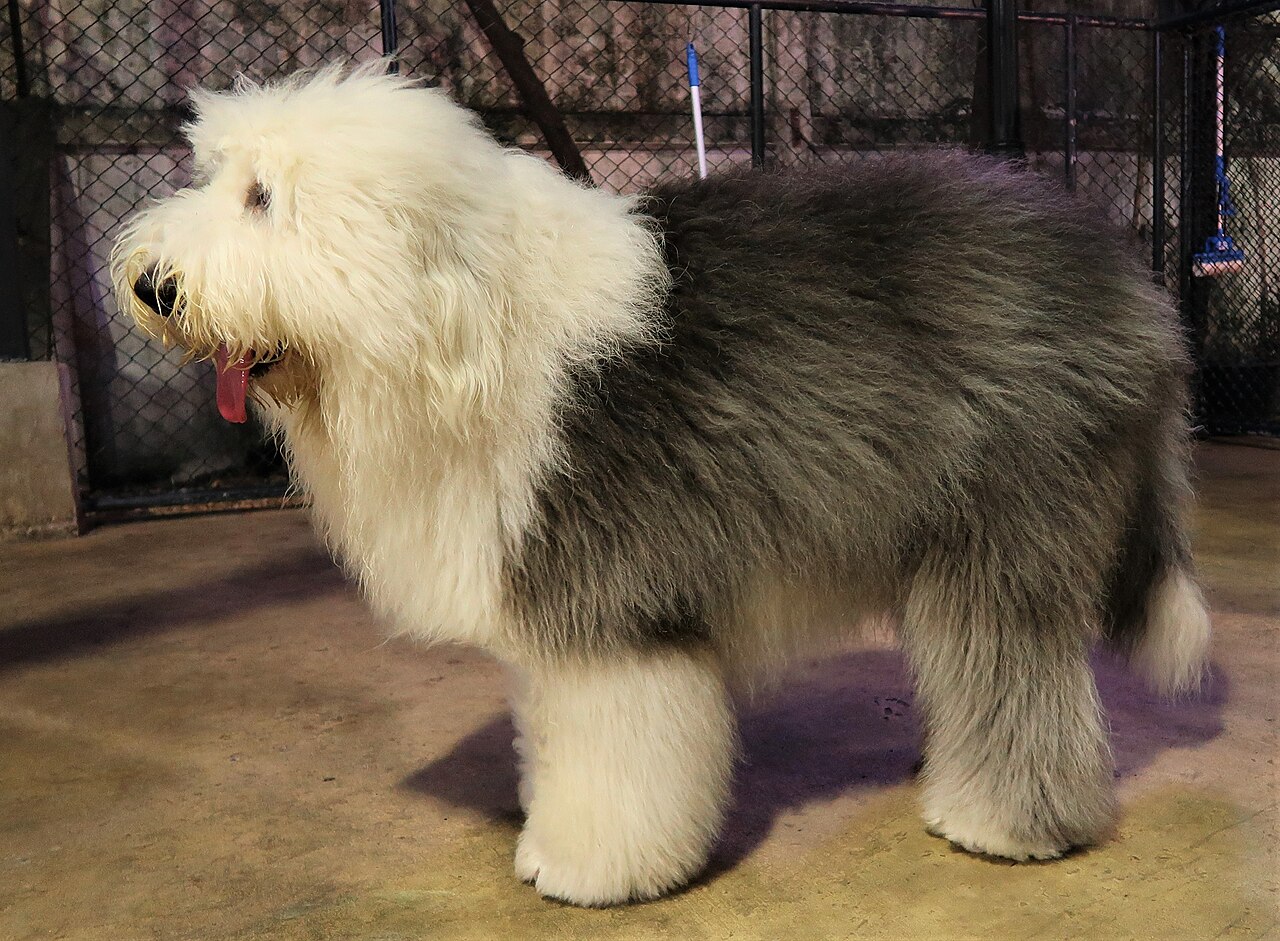
What you will actually pay
$47,997Across 12.1 years. About $3,561 a year after the first, which carries the purchase price and setup.
79% of that comes from measured prices. The rest is the puppy and retail assumptions you can adjust.
Where the money goes
The cost of owning the dog, year by year. Health spending is not included here: it is uncertain by nature and is set out separately above.
What makes up the total
- Puppy and setup$3,624
- Routine care$44,373
What to ask the breeder
Ask this breeder for certificates on hip dysplasia (19% of screened dogs abnormal), autoimmune thyroiditis (7% of screened dogs abnormal), elbow dysplasia (5% of screened dogs abnormal). Those are the screenings where Old English Sheepdogs score worst in the OFA registry, so they are the ones worth seeing paperwork for. A breeder who has done the testing will produce it without being pushed; one who has not will talk about how healthy their line is instead.
Where you live changes the number
Veterinary prices vary by more than half across the country. Everything above is a national average. Pick your state to see what it means for you.
What a Old English Sheepdog costs where you live
Average dog vet visit, $57 in West Virginia to $127 in Hawaii. Tap a state.
See all 51 in a table
| State | Avg visit | vs national | Lifetime here |
|---|---|---|---|
| Hawaii | $127 | +81% | $62,404 |
| Massachusetts | $99 | +41% | $55,307 |
| District of Columbia | $97 | +38% | $54,801 |
| California | $94 | +34% | $54,040 |
| Alaska | $84 | +20% | $51,506 |
| New York | $83 | +18% | $51,252 |
| Maryland | $79 | +13% | $50,238 |
| Vermont | $78 | +11% | $49,985 |
| New Jersey | $77 | +10% | $49,732 |
| Washington | $77 | +10% | $49,732 |
| Connecticut | $76 | +8% | $49,478 |
| New Hampshire | $76 | +8% | $49,478 |
| Rhode Island | $76 | +8% | $49,478 |
| Oregon | $75 | +7% | $49,225 |
| Maine | $74 | +5% | $48,971 |
| Arizona | $73 | +4% | $48,718 |
| Colorado | $72 | +3% | $48,464 |
| Florida | $70 | 0% | $47,957 |
| Montana | $70 | 0% | $47,957 |
| Utah | $70 | 0% | $47,957 |
| Delaware | $69 | -2% | $47,704 |
| Idaho | $69 | -2% | $47,704 |
| Nevada | $69 | -2% | $47,704 |
| Virginia | $69 | -2% | $47,704 |
| North Carolina | $66 | -6% | $46,944 |
| South Carolina | $66 | -6% | $46,944 |
| Wisconsin | $66 | -6% | $46,944 |
| Wyoming | $65 | -7% | $46,690 |
| Illinois | $64 | -9% | $46,437 |
| Minnesota | $64 | -9% | $46,437 |
| Nebraska | $64 | -9% | $46,437 |
| Ohio | $64 | -9% | $46,437 |
| Pennsylvania | $64 | -9% | $46,437 |
| Kentucky | $63 | -10% | $46,183 |
| Louisiana | $63 | -10% | $46,183 |
| New Mexico | $63 | -10% | $46,183 |
| South Dakota | $63 | -10% | $46,183 |
| Texas | $63 | -10% | $46,183 |
| Georgia | $62 | -12% | $45,930 |
| Indiana | $62 | -12% | $45,930 |
| North Dakota | $62 | -12% | $45,930 |
| Tennessee | $62 | -12% | $45,930 |
| Iowa | $61 | -13% | $45,676 |
| Michigan | $61 | -13% | $45,676 |
| Missouri | $60 | -14% | $45,423 |
| Alabama | $59 | -16% | $45,170 |
| Arkansas | $58 | -17% | $44,916 |
| Kansas | $58 | -17% | $44,916 |
| Oklahoma | $58 | -17% | $44,916 |
| Mississippi | $57 | -19% | $44,663 |
| West Virginia | $57 | -19% | $44,663 |
Source: 2025-2026 Synchrony Average Procedural Cost Study, ASQ360 Market Research, all 50 states and DC. We apply each state's index only to the veterinary share of the total. Food, grooming, boarding and the puppy price stay at the national figure, because a state's vet pricing says nothing about what a breeder or a bag of kibble costs there.
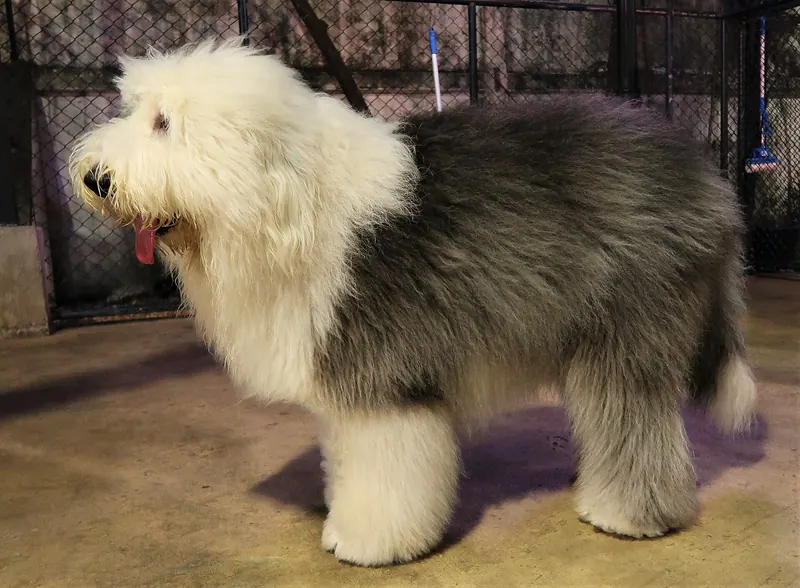
The number most owners get wrong
$598is what dog owners actually spend on veterinary care in a year, measured by the AVMA. Following the recommended schedule costs $1,301.
The gap is care that does not happen. Only 14% of dogs receive dental care at a vet's office, and 80% have periodontal disease by age three.
What veterinary care actually costs
Two measured figures that disagree, and the gap is the point.
The $703 gap is care that does not happen. We show the higher figure in the total for this breed, because it is what the recommended schedule costs. If you expect to spend closer to the average, the real total for a Old English Sheepdog is nearer $38,206.
Where the gap comes from
This is not owners being careless. It is the single largest difference between what veterinary medicine recommends and what actually happens, and dental care is most of it.
- 14%of dogs receive dental care at a veterinary office, in an AVMA owner survey, against a guideline of a cleaning under anaesthesia every year for small breeds and every one to two years for larger ones.
- Two thirdsof pet owners do not provide the dental care their veterinarian recommends, according to the AAHA.
- 80%of dogs have some periodontal disease by age three. It is the most commonly diagnosed condition in adult dogs, and most of it sits below the gumline where an owner cannot see it.
- Roughly a quarterof dog owners reported skipping veterinary visits altogether in the year the AVMA last measured it.
This matters for budgeting in an uncomfortable way. The lower figure is what people spend, not what a dog needs. A dental cleaning deferred is often a set of extractions later, which costs several times more and is not preventive care any insurer will cover.
How much of the total is sourced
79% of the $47,997 figure comes from measured prices: veterinary care from a 50-state cost study, and the lifespan it is spread over from a study of 584,734 dogs. The remaining 21%, about $10,130, is an observed market range for the puppy plus retail assumptions for supplies, a training course and boarding. Those are the numbers to adjust if your situation differs: plenty of people never board a dog.
Dental and visit statistics from the AVMA and the AAHA, 2026. Recommended care priced from the 2025-2026 Synchrony/CareCredit procedural cost study. Actual spending from the AVMA 2025 Pet Ownership and Demographic Sourcebook, self-reported by owners.
Insurance for a Old English Sheepdog
Coverage is protection against an uncommon large bill. It is not a way to save money on the care you already know is coming.
The bills it exists for
Documented conditions in this breed where a single episode runs into the thousands. We are not telling you how likely these are, because the prevalence evidence is not strong enough to carry that claim.
- Hip dysplasiaPriced as a total hip replacement, the usual choice for a dog this size.$3,500–$7,000
- Elbow dysplasiaArthroscopic treatment of elbow dysplasia.$3,000–$5,000
- Patellar luxationPer knee.$1,000–$5,000
What actually decides whether a claim is paid
Not the breed, and usually not the premium. Carrier terms verified August 2026; they change, and they vary by state.
- Hereditary and congenital conditions are usually covered
- This is the most common misconception about pet insurance. Every major US carrier covers inherited and congenital conditions on a standard accident-and-illness policy, provided they are not pre-existing. Trupanion covers them with no payout limit. Embrace covers them with no per-condition or per-incident limit at no extra cost, and states that its policies fully cover breed-specific conditions. Healthy Paws covers them too. Nationwide makes hereditary and congenital a coverage option you select rather than an automatic inclusion. Cheaper and accident-only policies sometimes exclude them entirely, so it is worth confirming in writing.
- Pre-existing conditions never are
- Anything your dog has shown signs of before coverage began, or during the waiting period, is excluded by every carrier without exception. This, not heredity, is what actually stops most claims being paid. It is also why enrolling a healthy puppy costs less and excludes less than insuring a dog that already has a history.
- Orthopedic waiting periods vary a lot
- The clearest example of why the carrier matters more than the breed. Healthy Paws applies a 12-month waiting period to anything related to hip dysplasia, and will not cover it at all if the dog was enrolled at six years or older. Trupanion applies its standard 30-day illness waiting period. Some carriers will waive an orthopedic wait after a vet exam. For any breed with joint risk, this single clause can matter more than the premium.
- Standard waiting periods
- Typically 2 to 30 days for illness and 2 to 5 days for accidents. Trupanion is 5 days for injury and 30 for illness. Embrace is 14 days for illness. Nothing that appears during the wait is covered.
- Bilateral condition rule
- If one side of a paired body part was affected before coverage, many carriers exclude the other side too. Relevant for hips, elbows, knees, eyes and ears.
- Age at enrollment
- Premiums rise with age, some carriers cap new enrollment, and some restrict specific conditions for older enrollees. Healthy Paws requires enrollment before the 14th birthday and drops hip dysplasia cover from age six.
Premium range from NAPHIA industry data. Coverage terms from published carrier policies and independent reviews, checked 16 August 2026. We are not an insurance agency, we do not sell policies, and we make no recommendation. Terms vary by carrier and policy, and the exclusions in your own policy govern.
First year breakdown
| Item | What it covers | Cost |
|---|---|---|
| Puppy purchase | Observed market range, not an authoritative source | $2,250 |
| Vaccine series | Three rounds plus rabies | $235 |
| Spay or neuter | Includes anesthesia and monitoring | $471 |
| Supplies | Crate, harness, bedding, bowls | $420 |
| Food | About 4.4 cups daily at maturity | $960 |
| Preventatives | Flea, tick, heartworm | $708 |
| Training class | Six week group course | $200 |
| Microchip | One time | $48 |
| First year total | $7,185 | |
Worth knowing
Ask this breeder for certificates on hip dysplasia (19% of screened dogs abnormal), autoimmune thyroiditis (7% of screened dogs abnormal), elbow dysplasia (5% of screened dogs abnormal). Those are the screenings where Old English Sheepdogs score worst in the OFA registry, so they are the ones worth seeing paperwork for. A breeder who has done the testing will produce it without being pushed; one who has not will talk about how healthy their line is instead.
Feeding an adult
At 80 lb, roughly 1656 kcal a day, about 4.4 cups at 380 kcal per cup.
Advertisement
Compare coverage for a Old English Sheepdog
Premiums run $516 to $744 a year. Routine care of roughly $1,301 a year is not covered by any standard policy, so compare on what happens when something expensive and unexpected occurs.
Placement reserved — insurance-primary
Old English Sheepdog vs other breeds
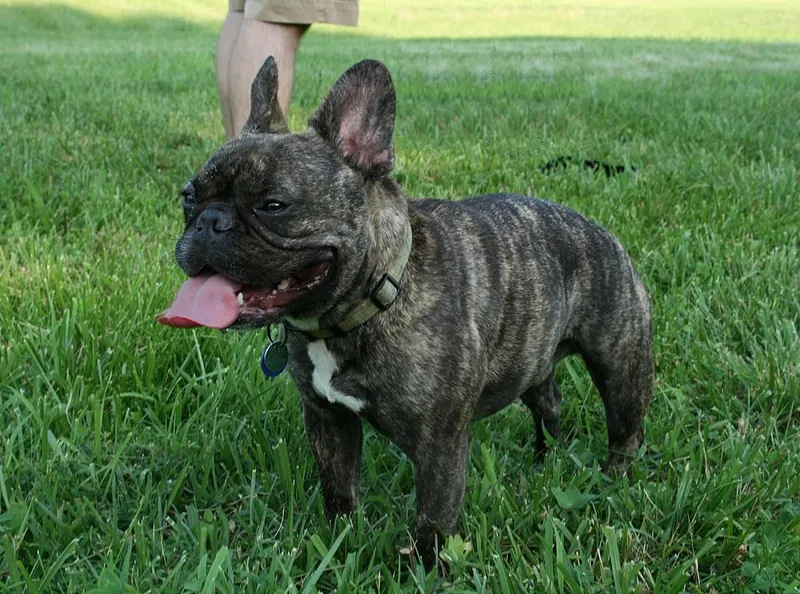 $28,769 Old English Sheepdog vs French BulldogSide by side on cost and healthCompare →
 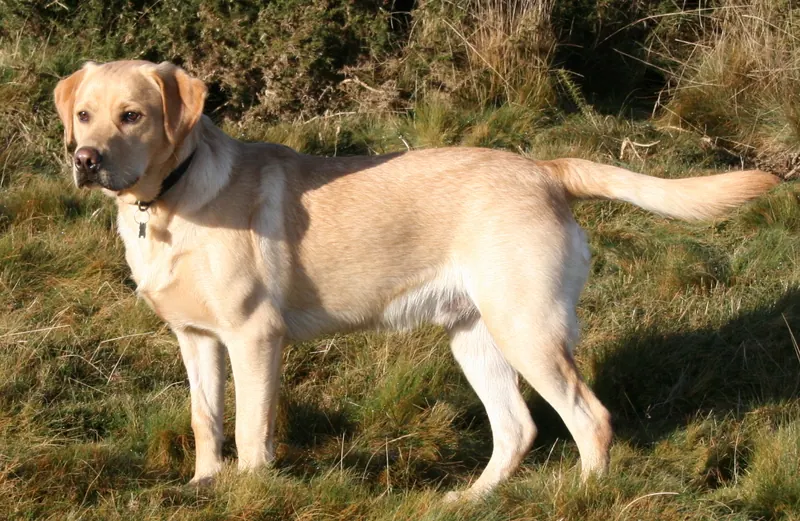 $45,825 Old English Sheepdog vs Labrador RetrieverSide by side on cost and healthCompare →
 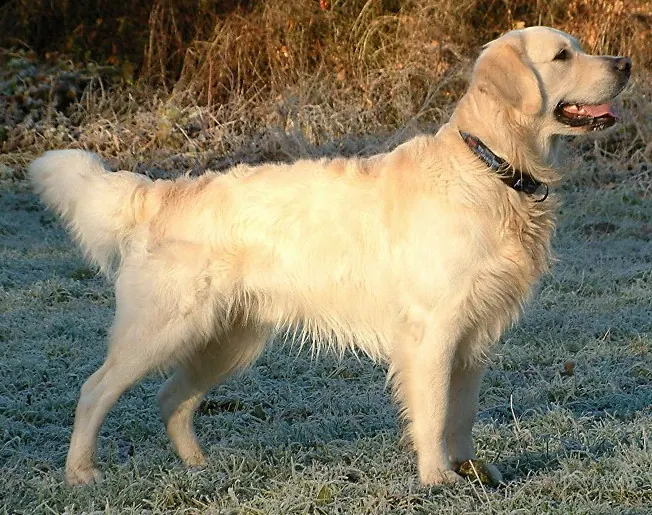 $48,931 Old English Sheepdog vs Golden RetrieverSide by side on cost and healthCompare →
 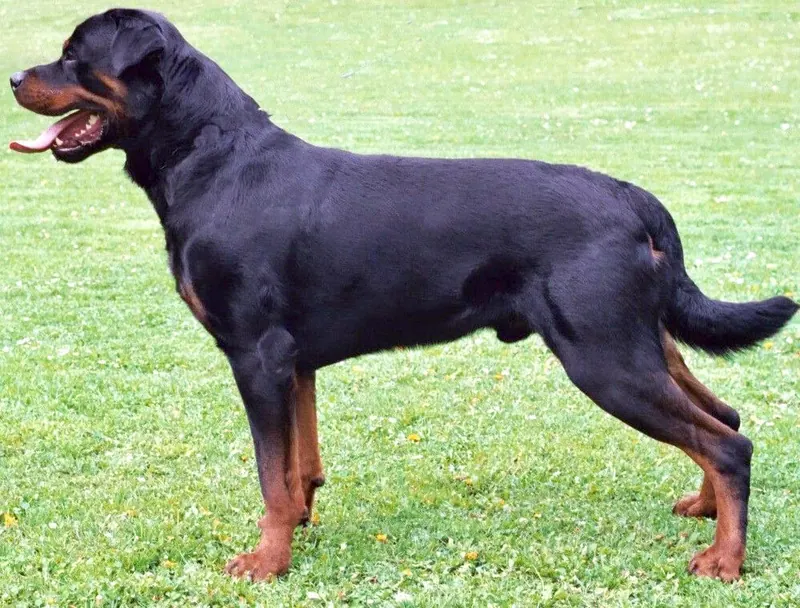 $39,348 Old English Sheepdog vs RottweilerSide by side on cost and healthCompare →
  $39,474 Old English Sheepdog vs Yorkshire TerrierSide by side on cost and healthCompare →
 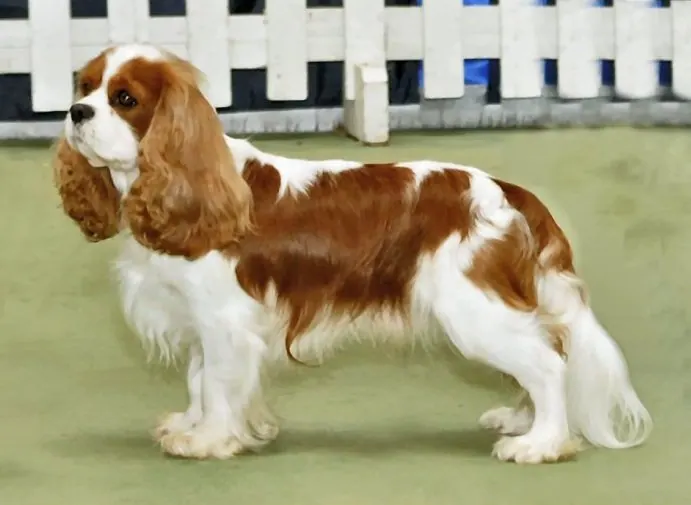 $35,349 Old English Sheepdog vs Cavalier King Charles SpanielSide by side on cost and healthCompare →
 Why Old English Sheepdogs cost what they do
The price
Purchase price here is set mostly by demand and by how many breeders are producing health-tested litters, rather than by anything unusual in the whelping itself. Expect $1,500 to $3,000 from a breeder who health tests. That figure is an observed market range rather than a sourced statistic, and it is the least reliable number on this page. Everything after the purchase is more predictable: about $3,561 a year in food, grooming, boarding, routine veterinary care, preventatives and dental.
The build
Size itself is a cost driver. Larger dogs live shorter lives, carry more weight through the same joints, need larger doses of every medication, and cost more for every procedure that is priced by body weight. On hips, 19% of Old English Sheepdogs submitted to OFA were graded dysplastic, and 5% on elbows. Those are dogs a breeder chose to submit, so the rate across the breed is higher, and a radiographic grade is not the same as a dog that will need surgery. Cardiac screening flags 0% of evaluated dogs as abnormal, which is why a cardiac certificate is worth asking for in this breed.
Common questions
How much does a Old English Sheepdog cost?
A Old English Sheepdog puppy costs $1,500 to $3,000. The first year totals about $7,185 including vaccines, neutering and supplies, then roughly $3,561 a year after that. Across a median lifespan of 12.1 years that is about $47,997 to own. Health costs sit outside that figure and are listed separately, because the evidence is not strong enough to reduce them to one number.
What health problems do Old English Sheepdogs have?
The most documented is skin disease: 36% were seen for it in a year of veterinary care. Treatment runs $252 to $679. Each figure on the page states the population it was measured in, because these are different kinds of measurement and are not interchangeable.
Is pet insurance worth it for a Old English Sheepdog?
Premiums run $516 to $744 a year, so $6,244 to $9,002 across 12.1 years. Routine care of about $1,301 a year is not covered by any standard policy. Coverage is protection against an uncommon large bill, not a way to save money on predictable care. What decides whether a claim is paid is usually the policy mechanics rather than the breed: pre-existing conditions, waiting periods and bilateral rules.
Sources
Grade A is a peer-reviewed prevalence figure from a large primary-care population. Grade B needs a conversion or comes from a single market. Grade C and D are weaker and labelled wherever they appear.
- 1VetCompass 2014Grade AO'Neill DG, Church DB, McGreevy PD, Thomson PC, Brodbelt DC. Prevalence of disorders recorded in dogs attending primary-care veterinary practices in England. PLOS ONE. 2014;9(3):e90501.148,741 dogs across 93 UK clinics; 3,884 records reviewed in detailView source
- 2Synchrony/CareCredit 2026Grade B2025-2026 Synchrony Average Procedural Cost Study for Veterinary Practices Across the United States, conducted by ASQ360 Market Research. Published by CareCredit.All 50 US states and the District of ColumbiaView source
- 3OFAGrade COrthopedic Foundation for Animals, Disease Statistics by Breed. Cumulative evaluations submitted to the OFA registry.US. Voluntarily submitted screening evaluations, not a random population sampleView source
- 4Orthopedic price guides 2026Grade CPublished US veterinary price guides and specialist clinic fee pages for hip, elbow and patellar surgery, cross-checked across MetLife Pet Insurance, Lemonade, Vety, PetPlanWise, SustainableVet and SurgiPet. Retrieved 16 August 2026.US, general and referral practiceView source
- 5McMillan 2024Grade AMcMillan KM, Bielby J, Williams CL, Upjohn MM, Casey RA, Christley RM. Longevity of companion dog breeds: those at risk from early death. Scientific Reports. 2024;14:531.584,734 UK dogs including 284,734 deceased, across 155 breedsView source
Lifetime risk is modelled from measured annual prevalence using a stated assumption. See the full method. Prices marked Grade D are estimates and are labelled as such. Not veterinary advice.